Best Time to Go for Langtang Trek
- soleencounters
Planning a trek to Nepal’s majestic mountains requires careful timing, and knowing the best time to go for Langtang Trek is crucial for a rewarding experience. The Langtang Trek, often called the “Valley of Glaciers,” offers spectacular snow-capped peaks, peaceful alpine forests, and the vibrant culture of the Tamang people. Each year, trekkers from around the world explore this beautiful region, seeking both adventure and serenity.
Table of Contents
Choosing the right season affects everything, from trail conditions and weather safety to the clarity of mountain views and the number of fellow trekkers. Picking the optimal months ensures not only safety but also a more enjoyable and memorable trek.
If you want to experience breathtaking Himalayan vistas, avoid heavy crowds, and enjoy comfortable trekking, understanding the timing is key. In this guide, we will explore the ideal seasons, weather patterns, and important considerations so you can plan your Langtang Trek with confidence.
About Langtang Trek
The best time to go for Langtang Trek plays a vital role in experiencing its full charm, but first, it’s important to know what makes this trek special. Located in the Langtang region of Nepal, this trek starts from Syabrubesi and typically takes 7 to 10 days to complete, depending on the itinerary. Covering a distance of around 65–70 kilometers, the trail winds through lush forests, quaint villages, and stunning landscapes that showcase the beauty of the Himalayas.
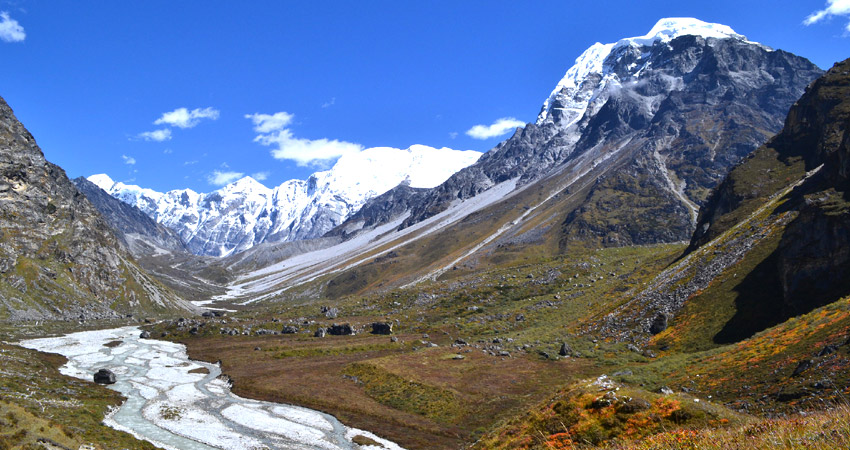
Langtang Trek offers a perfect blend of natural and cultural experiences. Trekkers can explore the serene Langtang Valley, witness the unique Tamang culture, and enjoy panoramic views of Langtang Lirung, one of the region’s highest peaks. Along the way, you will pass through vibrant rhododendron forests, sparkling alpine lakes, and tranquil meadows, providing countless photo opportunities. The combination of nature, culture, and relatively accessible trails makes Langtang Trek a favorite among beginners and seasoned trekkers alike.
Whether you are drawn by the spectacular mountains, peaceful forests, or cultural encounters, knowing the right season ensures that every part of this trek, from the valley vistas to the forests in bloom, can be enjoyed at its best.
Why Timing Matters for Langtang Trek
Choosing the best time to go for Langtang Trek is more than just picking a month, it directly impacts the quality of your trekking experience. Weather conditions are the most critical factor, as heavy rains or snow can make trails slippery, increase the risk of landslides, and reduce visibility of the stunning Himalayan peaks. Trekking during favorable seasons ensures safer trails, comfortable temperatures, and clearer skies for those iconic mountain views.
Scenic beauty also varies with the season. In spring, rhododendrons bloom in vibrant colors, transforming forests and hillsides into a breathtaking spectacle. Autumn brings crisp air and clear skies, offering panoramic views of Langtang Lirung and surrounding peaks. Winter trails may be snow-covered, creating a magical landscape, while the monsoon season turns the region lush and green, though often at the cost of trail difficulty.
Timing also affects crowds and accommodation. Peak trekking seasons see more visitors, which means busier lodges and higher prices, whereas off-season treks offer solitude but may have limited facilities. Wildlife sightings are also season-dependent, with early mornings in spring and autumn being ideal for spotting Himalayan birds and local fauna.
Finally, the overall trekking experience, including temperature, daylight hours, and trail conditions, is closely tied to the season. A well-timed trek ensures that you enjoy long, safe days on the trail without extreme heat, cold, or precipitation. Understanding why timing matters helps trekkers plan better, maximize scenic enjoyment, and make their Langtang adventure truly memorable.
Best Months to Trek Langtang
Knowing the best time to go for Langtang Trek can make a huge difference in your experience, especially when it comes to choosing the right season for clear views, comfortable weather, and scenic beauty. The two most recommended seasons for trekking in Langtang are spring and autumn, each offering unique advantages and minor challenges.
Spring (March – May)
Spring is one of the most popular seasons for Langtang Trek due to pleasant weather and blooming landscapes. Temperatures are moderate, making it comfortable for trekking without extreme heat or cold. During this time, the forests and hillsides are covered with vibrant rhododendrons, creating colorful and breathtaking scenery.
The advantages of trekking in spring include clear trails, moderate temperatures, and spectacular floral views. However, some challenges may include occasional rain showers at lower elevations and slightly higher crowds compared to off-season months. Overall, spring provides a balance of natural beauty and safe trekking conditions.
Autumn (September – November)
Autumn is considered another prime season for trekking in Langtang. The skies are usually clear, offering unobstructed panoramic views of Langtang Lirung and surrounding peaks. Temperatures are moderate, making hiking comfortable during the day and cool at night.
The peak trekking season in autumn means more fellow travelers on the trail and busier lodges. Despite this, the combination of clear skies, crisp air, and stunning mountain vistas makes autumn an excellent choice for both first-time and experienced trekkers.
Choosing the right season ensures that you not only enjoy the landscapes at their best but also have a safe and memorable trekking experience in Langtang.
Other Seasons
While spring and autumn are considered the ideal periods, understanding the best time to go for Langtang Trek also involves knowing what to expect during the less popular seasons, including summer and winter.
Summer/Monsoon (June – August)
The summer or monsoon season brings heavy rainfall, which can make trails slippery and increase the risk of landslides in certain areas. Visibility of the mountains is often limited due to clouds and rain. Despite these challenges, trekking in this period has its advantages. The region becomes lush and green, rivers and waterfalls are full, and the trails are far less crowded, offering a sense of solitude and connection with nature.
Winter (December – February)
Winter in Langtang is characterized by cold temperatures and snowy trails at higher elevations. Daytime temperatures are generally cool while nights can be very cold. The main advantage of winter trekking is the peaceful and quiet trails. Snow-covered landscapes transform the valley into a magical scene, making it an ideal time for trekkers who enjoy solitude and winter scenery.
Even though these seasons are less popular, some trekkers may prefer them for the unique experiences they offer. Understanding the seasonal conditions helps you plan safely and choose the timing that best suits your preferences and trekking style.
Factors to Consider While Choosing Trek Timing
Knowing the best time to go for Langtang Trek is important, but your personal preferences and other factors also play a key role in planning the journey. One of the first considerations is what kind of scenery and experience you want. Some trekkers prefer vibrant rhododendron blooms in spring, while others enjoy the clear mountain views of autumn. Crowd levels also influence the experience, with peak seasons being busier and off-season months offering more solitude. Trail difficulty and weather conditions should match your comfort level and trekking experience.
Fitness and acclimatization are equally important. Langtang Trek involves moderate to steep ascents, so selecting a season when your body can handle the temperature and altitude is crucial. Proper acclimatization helps prevent altitude sickness and ensures a safer trekking experience.
Cultural factors such as local festivals and events can enhance your trip. Spring and autumn often coincide with vibrant cultural celebrations, offering an opportunity to witness traditional Tamang ceremonies and local rituals.
Finally, practical aspects like accommodation availability and costs should be considered. Peak seasons tend to have fully booked lodges and higher prices, whereas off-season trekking can be more economical but may have limited facilities. Taking all these factors into account ensures that your trek is enjoyable, safe, and memorable.
Month-by-Month Trekking Guide
Understanding the best time to go for Langtang Trek can be easier when you look at the trail conditions and weather month by month. This guide provides a quick overview of what to expect in terms of temperature, trail conditions, and crowd levels, helping you choose the ideal time for your adventure.
| Month | Weather Conditions | Temperature Range | Trail Conditions | Crowd Levels |
|---|---|---|---|---|
| January | Cold, clear skies | -2°C to 12°C | Snow at higher altitudes | Low |
| February | Cold, mostly clear | 0°C to 14°C | Snowy trails | Low |
| March | Mild, beginning of rhododendron bloom | 5°C to 18°C | Mostly dry trails | Moderate |
| April | Pleasant, rhododendrons in full bloom | 8°C to 20°C | Dry and easy to moderate | Moderate to High |
| May | Warm, greenery and flowers | 10°C to 22°C | Trails dry, occasional rain | High |
| June | Monsoon begins, frequent rain | 15°C to 25°C | Slippery trails, landslide risk | Low |
| July | Heavy rain, lush greenery | 16°C to 26°C | Very slippery trails | Very Low |
| August | Rain continues, dense clouds | 15°C to 25°C | Muddy and challenging | Very Low |
| September | Clear skies, pleasant weather | 10°C to 20°C | Dry and easy trails | High |
| October | Crisp air, clear panoramic views | 8°C to 18°C | Dry and comfortable | High |
| November | Cool, clear skies, less humidity | 5°C to 15°C | Excellent trails | Moderate to High |
| December | Cold, clear and peaceful | -1°C to 12°C | Snowy at higher elevations | Low |
This month-by-month breakdown helps trekkers quickly compare conditions and decide the most suitable month for their trip. Whether you prefer blooming forests, clear mountain views, or quiet trails with fewer crowds, planning according to the weather and trail conditions ensures a safe and memorable Langtang Trek experience.
Tips for Trekking in Different Seasons
Knowing the best time to go for Langtang Trek is important, but proper preparation can make your journey safer and more enjoyable regardless of the season. One of the key considerations is packing the right gear and clothing. During spring and autumn, lightweight trekking layers, a warm jacket for mornings and evenings, and sturdy hiking boots are sufficient. In monsoon or winter seasons, waterproof jackets, gaiters, thermal layers, and insulated boots are essential to stay dry and warm.
Safety is another critical factor. In the rainy season, trails can become slippery and prone to landslides, so trekking poles and careful footing are highly recommended. In snowy winter conditions, icy paths and sub-zero temperatures require extra caution and preparation. Always check weather forecasts before starting your trek and adjust your route or schedule if conditions are risky.
Preparation for extreme weather also includes carrying adequate water, high-energy snacks, and sun protection in all seasons. Layering clothing to manage fluctuating temperatures, knowing emergency contact points, and being aware of altitude-related risks are important for a safe trek. By planning for the conditions of each season, you can make your Langtang Trek both enjoyable and memorable.
Conclusion
Understanding the best time to go for Langtang Trek is essential for making the most of this unforgettable journey. Spring and autumn stand out as the ideal months, offering clear skies, pleasant temperatures, and breathtaking scenery such as rhododendron blooms and panoramic mountain views. Choosing the right season based on your preferences for crowd levels, trail conditions, and cultural experiences ensures a safer and more enjoyable trek.
No matter which month you select, Langtang Trek promises a rich blend of natural beauty, cultural encounters, and adventure. From serene alpine forests to majestic peaks like Langtang Lirung, every step offers a chance to connect with Nepal’s stunning landscapes. By planning carefully and considering the seasonal conditions, you can create a truly memorable trekking experience.
Plan Your Trek
Plan your Langtang Trek today and experience the Himalayas like never before. For those looking for detailed guidance, check our complete Langtang Trek guide for itineraries, costs, permits, and essential preparation tips. Whether you are a first-time trekker or an experienced adventurer, careful planning based on the right season will make your journey safe, comfortable, and unforgettable.
Recent Posts
.jpg)
3rd Jul, 2025
.jpg)
4th Jul, 2025
.jpg)
4th Jul, 2025
.jpg)
7th Jul, 2025
.jpg)
8th Jul, 2025
.jpg)
8th Jul, 2025
.jpg)
8th Jul, 2025

10th Jul, 2025